

Every year around admission season, colleges across Kathmandu, Pokhara, and beyond run the same routine: a few newspaper ads, some banners near school gates, and a handful of Facebook posts announcing "Admissions Open." Meanwhile, the students actually deciding where to study are scrolling Instagram and TikTok, comparing colleges based on what current students post, not what an official college page says. Effective college marketing in Nepal today means meeting students where they already are, months before the admission deadline, not just during it.
Why college marketing in Nepal has to start earlier than admission season
By the time "Admissions Open 2082" posters go up, many students have already narrowed down their shortlist based on what they have seen over the previous several months — campus life posts, faculty introductions, and word of mouth from current students. A college that only markets during the admission window is competing for attention at the busiest, most crowded time, when every other college is also posting the same thing.
A steadier approach spreads content across the year: campus life and student activities during the regular semester, faculty and program highlights a few months before applications open, and a focused push (deadlines, scholarship details, application steps) only in the final weeks before the deadline.
Content ideas that work for admission campaigns
- Day-in-the-life reels: a current student walking through their typical day on campus, in labs, or at events.
- Faculty spotlights: a short video or post introducing a well-known lecturer and their background, which builds credibility for a specific program.
- Program explainer carousels: what a specific course (BBA, BSc CSIT, or +2 Science, for example) actually covers, career paths after it, and eligibility requirements in plain language.
- Campus tour videos: library, labs, sports facilities, and hostel or canteen areas, especially useful for students applying from outside the Kathmandu Valley.
- Event coverage: fests, competitions, and guest lectures posted as they happen, which shows an active, current campus rather than a static brochure.
- FAQ-style posts: answering common questions about fees, scholarships, and application steps directly, so students do not have to call the office for basic information.
Ask a few current students who are comfortable on camera to be recurring faces in your content. Prospective students trust a real student's voice far more than an official college caption.
Using Facebook and Instagram for different jobs
Facebook still works well in Nepal for reaching parents, who often influence or make the final decision on where a student enrolls, especially for undergraduate programs. Instagram and TikTok reach the students themselves more directly, particularly for scholarship announcements, campus life, and short explainer videos. A college admission campaign that only targets one of these audiences is missing a key decision-maker on the other side.
Boosting posts around key admission dates
Rather than boosting everything equally, concentrate ad spend around a few key moments: when applications open, at the scholarship or early-bird deadline, and roughly one week before the final deadline. A targeted boost of even रु 2,000–5,000 during these windows, aimed at the right age group and location, tends to outperform a flat, always-on budget spread thin across the whole season. For general boosting mechanics, see Facebook and Instagram boosting in Nepal.
Involving current students and alumni in the campaign
Prospective students trust other students far more than an official college account, so involving current students directly in the campaign tends to outperform content made only by the marketing office. A short interview series with graduating students about where they ended up working, or a "student takeover" of the Instagram Story for a day, gives prospective students a much more honest picture of campus life than a polished brochure-style video ever could.
Answering inquiries quickly matters more than most colleges realize
A student comparing three or four colleges will often message all of them on Instagram or Facebook the same evening, asking about fees, seats, or scholarships. The college that replies first frequently gets more of that student's attention afterward, simply because they responded while the others were still figuring out who should answer the message. A basic automated reply confirming receipt and sharing key details (fees, deadline, contact number) prevents inquiries from going cold overnight — the same approach we describe in AI auto-replies for Instagram and Facebook.
Tracking what is actually working
Most colleges post consistently for a season and then have no clear sense of whether it led to more applications. A simple habit fixes this: ask every new applicant, on the admission form itself, how they first heard about the college. Over a semester, this quietly builds a real picture of whether Instagram, Facebook, a specific event, or plain word of mouth is actually driving enrollment, instead of guessing. It also helps decide where to put next year's budget — whether that means more video content, a bigger boosted ad push, or simply better signage at school fairs.
A simple content calendar for the year
- Regular semester months: post campus life, student activities, and faculty spotlights two to three times a week.
- Two to three months before applications open: begin program explainer carousels and share past event highlights.
- Application window: post deadlines, scholarship details, and application steps clearly, with a boosted push around key dates.
- Final week before the deadline: send reminder posts and Stories with a clear "how to apply" link or contact number.
Building this kind of year-round content calendar takes more planning than a typical college marketing office has time for on top of everything else admission season involves. GrowthHub designs and manages a full monthly content plan — 12 static posts, 4 carousels, and 4 videos for रु 28,000 — plus social media management for रु 5,000/month if your team already has the material but needs consistent posting. Start with a free audit of your college's current social pages and we will show you exactly where prospective students are dropping off.
Frequently asked questions
When should a college start its admission marketing campaign in Nepal?
Ideally several months before the admission window, with steady campus-life and program content year-round and a focused push only in the final weeks before the deadline.
Is Facebook or Instagram more effective for college admission marketing?
Both matter — Facebook tends to reach parents who influence the decision, while Instagram and TikTok reach students directly, so a campaign should use both.
How fast should a college reply to admission inquiries on social media?
As quickly as possible, ideally within the same day, since students comparing multiple colleges often go with whichever one responds first with clear information.
🎓 See our colleges & schools marketing →
Related articles.

How to Choose a Digital Marketing Agency in Nepal
What to actually look for when hiring a digital marketing agency in Nepal, from real deliverables to fair pricing, without the sales talk.
Read article →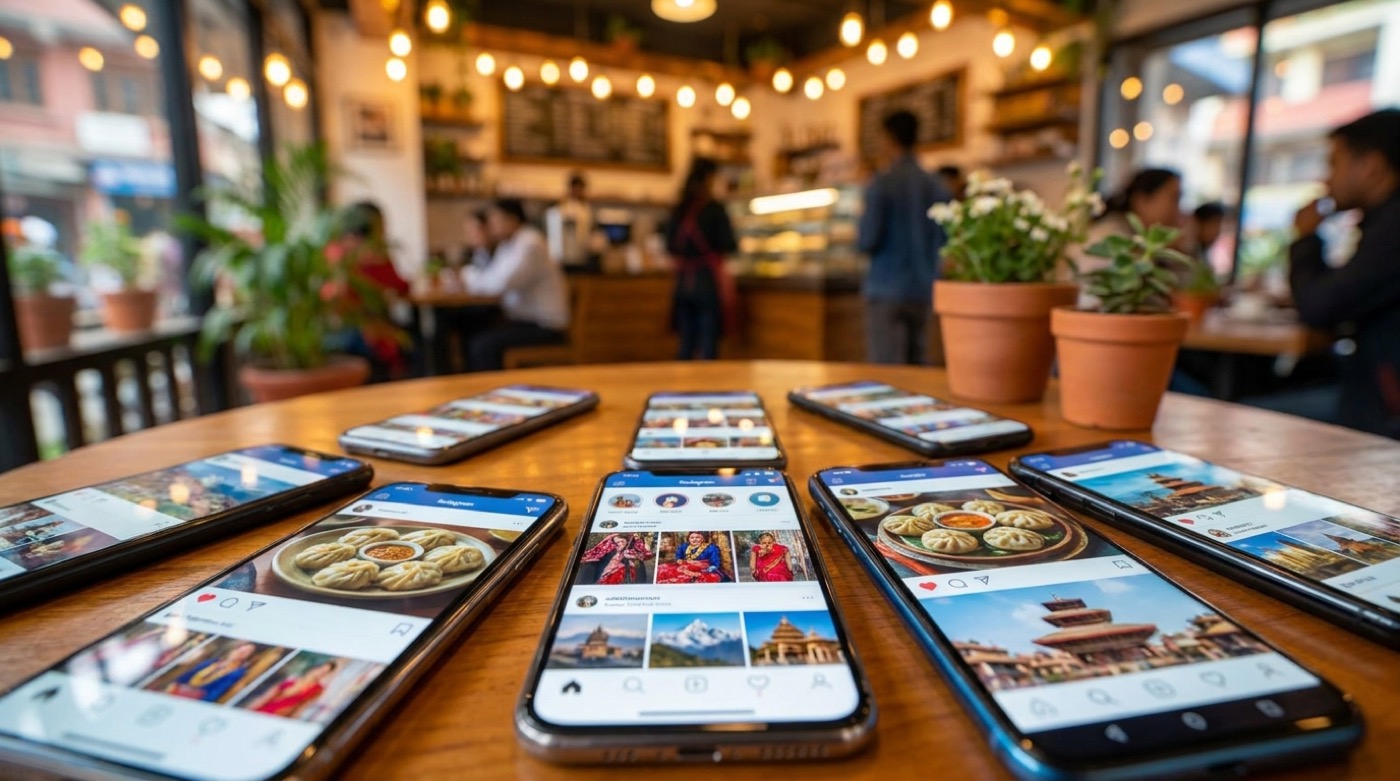
Social Media Marketing in Nepal: A Practical Guide
Everything a busy Nepali business owner needs to get started with social media marketing, from choosing platforms to planning a month of content.
Read article →
AI Marketing for Nepali Businesses: A Practical Starting Point
A grounded look at how AI marketing actually helps Nepali businesses today, without the hype, plus what still needs a human touch.
Read article →